“It didn’t go as far as I wanted, but it wasn’t for nothing.”
Above Borders took travellers to places most avoid – like North Korea and Turkmenistan. Founded by Jonas Bang Andersen as student at CBS and part of CSE, the company recently closed. In this interview, Jonas reflects on his journey, what he’s learned, and why it was never just about running a business.
- Sofie
- 7 min read
Anika Paulus: Jonas, you’ve recently shared on LinkedIn that Above Borders is closing. Can you take us into that moment?
Before publicly announcing it, I knew it was going to happen, so it wasn’t a big surprise for me. But when you click the share button it becomes real for others, too. I had already started processing it, but the announcement made it more real, and more emotional than I expected.
I received a lot of kind messages from people who had travelled with me or followed the journey. That helped me realise Above Borders wasn’t just a fun side project – it actually made a difference. It made the closing feel less like an end, and more like the conclusion of something meaningful.
So it felt like two phases — the decision to close, and then the public announcement?
Exactly. Before, people would ask how Above Borders was going and just assume something new was coming. After the announcement, it was clear for them too. Still, the story of Above Borders continues in a way. It will always be a part of me, and of the memories of the people who travelled with me. It’s not like closing a book – it’s more fluid than that. Just like starting a company isn’t something that happens overnight, ending one is a process, too.
From student project to real impact
Looking back, what made you take the leap to start Above Borders while still studying?
It seemed risk-free at the time. I had a flexible student job, no big financial obligations, and enough room to try something. I was still studying and doing what I was “supposed to”, so it felt like a justifiable experiment. If people find it challenging to start something while studying, they will likely find it even harder later. Life gets more full, more complicated. And entrepreneurship means juggling things anyway – whether that’s study, work, or your own venture.
Is being entrepreneurial something you were born with – or did it develop?
For me, it wasn’t about becoming an entrepreneur. I wanted to travel to North Korea, and no one else was arranging it, so I decided to make it happen. My dad has always been self-employed, so the idea of starting something wasn’t foreign. At the time I was working at a bank, and simply wanted to do something meaningful. Through travelling and building Above Borders, I found work I genuinely cared about. If someone had offered me a full-time job doing it, I would’ve taken it – but since that job didn’t exist, I created it.
That’s often what entrepreneurship is: not chasing a title, but building what’s missing.
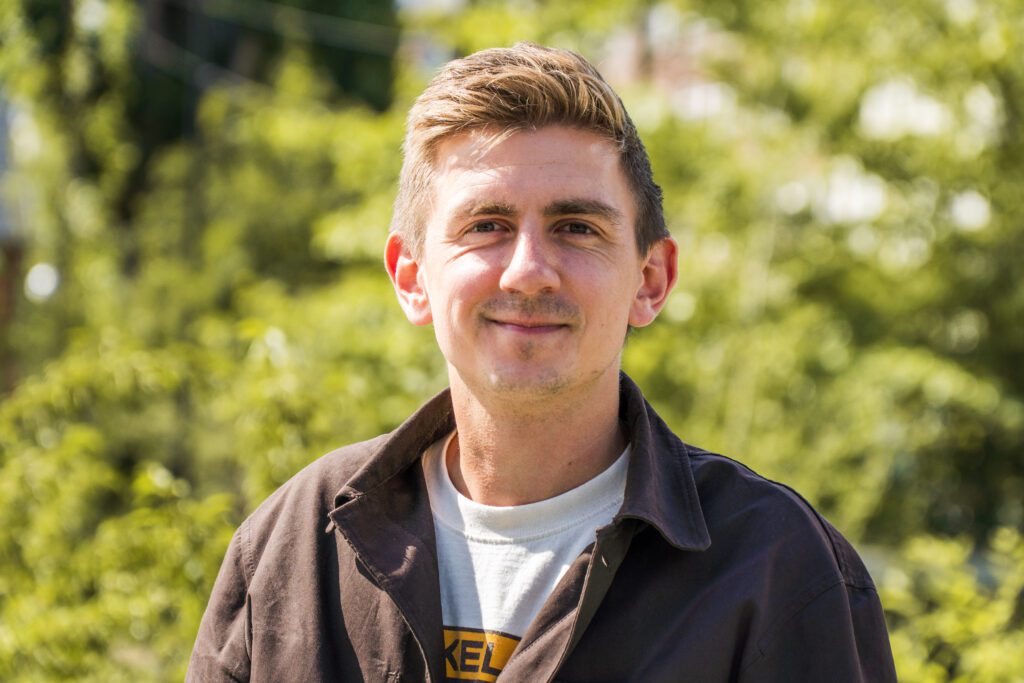
Jonas Bang Andersen founded his company while still a student. With Above Borders, he took travellers to countries like North Korea or Turkmenistan. Photography: Vitor Mendes
The mindset and skills you don’t learn in class
If we break entrepreneurship down: what makes someone a capable founder?
Entrepreneurs are problem-solvers. Most successful companies exist because they address a real need. But founders also need to be generalists. Often, the problem you’re solving is very niche, but the skills you need span across everything – law, marketing, finance, operations. You juggle a lot, and you never know what’s coming, so you need to be adaptable and open to wearing many hats.
Did Above Borders become your real education?
Absolutely. I learned a lot while studying, but doing Above Borders taught me things I couldn’t have learned in the classroom. Still, some things I learned in class only made sense later – like GDPR, which suddenly mattered when I had to handle travellers’ passport data.
I also saw how transferable entrepreneurial skills were. At one point, I applied for a job I’d never done before. The hiring team said, “Well, if you can organise trips to North Korea, you can probably manage this too.” It’s those unexpected skill transfers that show how valuable the experience really was.
Do you see the closure of Above Borders as a failure?
In some ways, yes. I would have loved to continue and grow it further. I think it had more potential – we could have taken more people around the world and made a bigger impact. But the world changed, and so did the possibilities. On the other hand, I received so many messages from travellers telling me how meaningful the trips were for them. Those memories last a lifetime, and that means something.
Failure is rarely black and white. It didn’t go as far as I wanted, but it wasn’t for nothing either.
You’ve been open about both the highs and lows of your startup journey. Why?
At first, it was a way to promote the tours and get customers. But sharing became something more. It helped me reflect, it opened conversations, and it showed others that the path isn’t always smooth. If you only show the wins, people can’t relate. No one’s journey is just “up”. Being open about the challenges helps others feel less alone – and often, someone has faced the same issue and can help. Being honest builds trust and brings support.
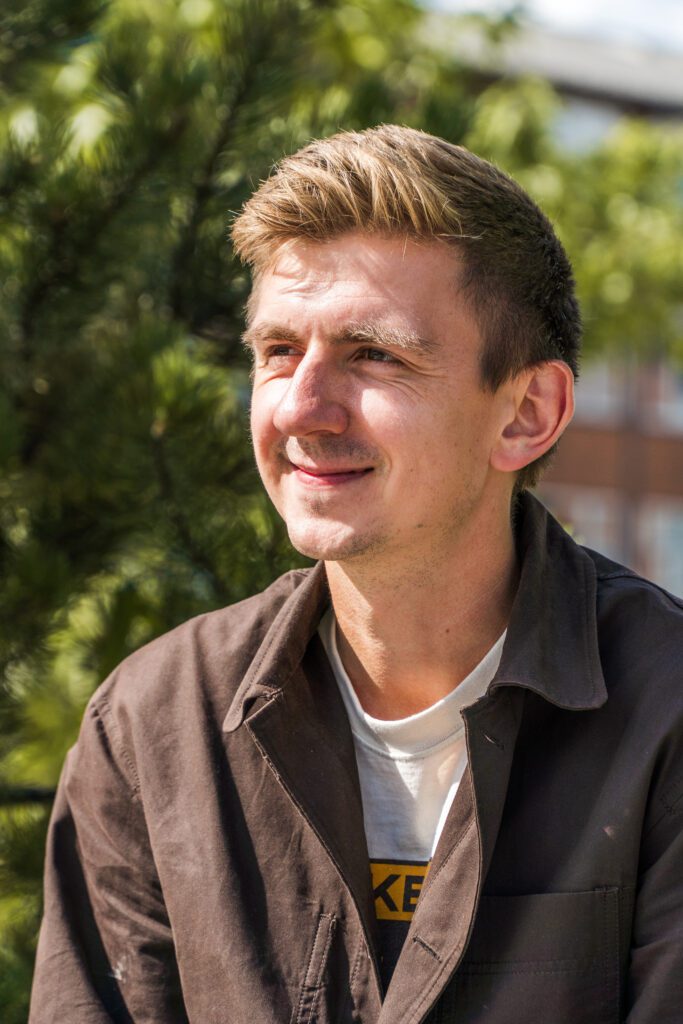
“Being honest builds trust and brings support.”
What do you wish you had learned earlier?
To ask for help and share the idea early. I used to think I had to build something before showing it to the world, but the sooner you involve others, the better.
I was probably overly optimistic at the start. When someone asked if I was sure organising trips to North Korea was a good idea, I said: “What could go wrong?” In hindsight, a bit more realism might have helped – but that same optimism made things possible. We did what hadn’t been done before, like bike tours in North Korea, because I didn’t see limits. That mindset opened doors, even if it made some moments harder.
How did CSE support your journey?
CSE gave me access to a community. I was a solo founder, but I never felt alone. Us founders were building different things, but shared victories, helped each other, and made it more fun.
The support from CSE itself was also super helpful and practical. Being challenged on my pricing model, or asked how many tours I needed to sell to break even. That might seem basic now, but back then it wasn’t obvious to me. The business developers were also key. Not being nice and supportive like friends or family, but asking the hard questions: “Can you actually manage travelling 15 times a year?” That mattered a lot.
What stays after a startup ends
You worked in a very specific niche – travelling to places often avoided by others. Did that change your worldview?
Travelling to countries like North Korea or Turkmenistan forces you to rethink what you take for granted. Conversations with people from very different cultures challenged me and our travellers to see the world with more perspective. It made me appreciate things about my own life and culture, but also question them. That was always the goal: to broaden perspectives and open minds. The travel experiences showed us that the world is more complex and nuanced than we often assume.
So Above Borders had a broader impact on society?
I believe so. Many of the people who travelled with me were already globally minded, but the trips took that further. Travelling offers direct experience that challenges assumptions and breaks down stereotypes. We judge entire countries by their governments, but meeting people face to face changes that view. Encounters like these might not lead to major systemic change, but they do shift how we see the world – and that matters.

Failure is rarely black and white, Jonas believes. Above Borders might be closed for now, but the impact it had on the people who travelled with him, and their memories will remain. Photography: Vitor Mendes
Was there anything you missed at CSE?
The transition from founder to leader is important, and it’s something we didn’t really explore while I was at CSE. I had just started building a team but never got far with that. At that stage, more input on how to grow as a leader would have been valuable. But I know this is now part of CSE’s offerings.
Personalised support also matters. Ventures face different challenges depending on where they are. Someone with just an idea needs something else entirely than a founder with a thousand customers. And often, you don’t realise what kind of help you need until you’re already facing it.
Supporting founders to find the right input at the right time is crucial. I know CSE is working in that direction today, and I think that’s a really good development.
What’s next for you? Are you done with founding?
What’s next is already happening. For the past months, I’ve had a job I truly enjoy – planning events, arranging tours, and building community with people across the world. I still care deeply about travel and cross-cultural understanding. But I’m not chasing the next company just for the sake of it.
If the right opportunity comes, maybe. For now, I’m focused on building a life I enjoy. And who knows what lies ahead.
Thanks Jonas, and good luck on your next adventures!
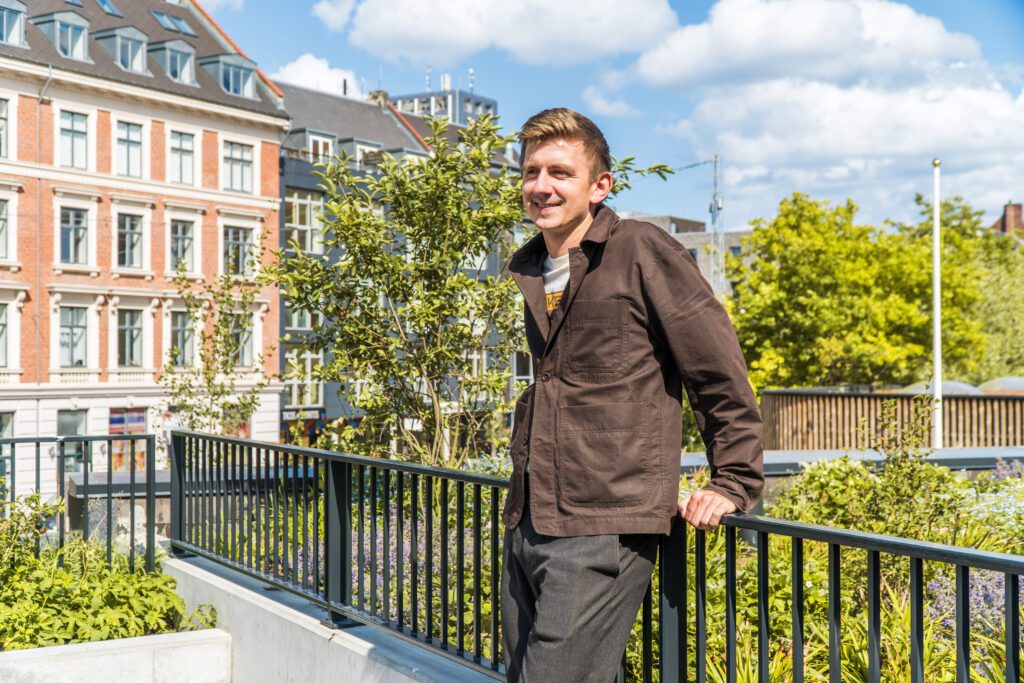
For Jonas, entrepreneurship is not chasing a title, but building what’s missing. The experiences and skills he gained from building and running Above Borders continue to influence his work – and life. Photography: Vitor Mendes