What co-founders wish they had learned earlier
The real leadership test often comes before the first hire. The way founders lead each other – and the culture they build between them – shapes everything that follows. At this year’s Startup Leadership Summit, hosted by CSE’s Founder to Leader programme and the CBS Leadership Centre, founders opened up about what it means to lead together. They shared what they wish they had known earlier – and what lessons they learned the hard way.
- Sofie
- 4 min read
Lesson 1: You need to have the hard conversations
For Kristian Anker, Co-founder of Much & The Ramp, one of the most important early alignments is how to handle leadership dilemmas among equals. “Who is the boss ultimately?” he asks. When founders share ownership and responsibilities, big decisions can easily stall.
“You can both be right and still be stuck. And if you stay stuck for too long, that becomes the real problem – because speed and momentum are everything for startups. In those moments someone must take responsibility and make the call. Right or wrong, speed often matters more – and most decisions can’t be reversed later.”
Kristian stresses the need to address these topics early – decision power, roles, and what equality really means in practice.

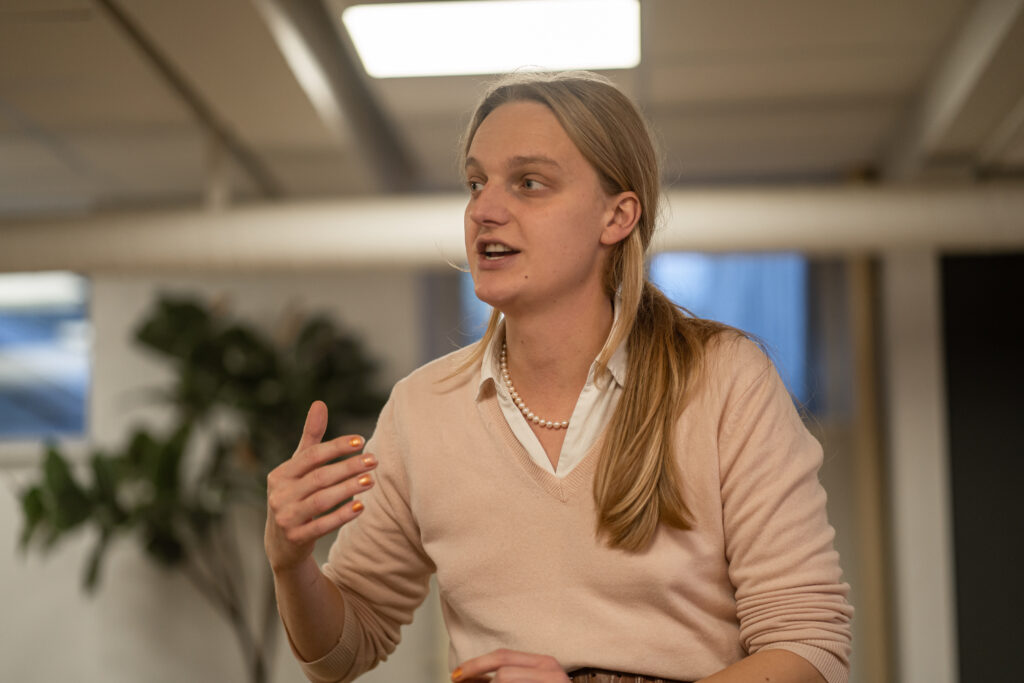
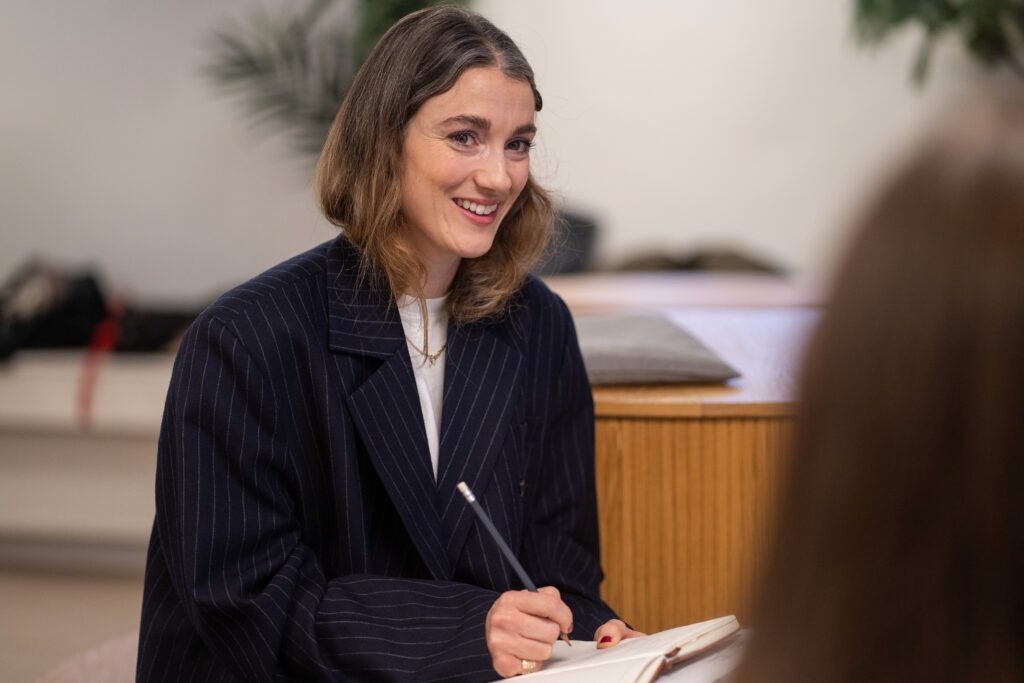
At the Startup Leadership Summit, co-founders reflected about what it means to lead together, what they wish they had known earlier, and what lessons they learned. Photography: Hanna Selim
Jacob Jonasen Motzfeldt, Co-founder of True Co, looks back on a similar gap. “In the early days, we were just building and having fun. We never did much planning for an exit – it was this faraway dream,” he recalls. “When it happened, we weren’t fully prepared. We aligned everything well as the exit approached, but for a possible next time, I would prepare it more in advance.”
His advice is clear: as founders, you must not be afraid of the hard conversations. “When things get toxic, it’s hard to come back from that. Take the conversation before it turns into real conflict.”
The lesson: Leadership between co-founders starts with openness. The harder the conversation, the more necessary it usually is.
Lesson 2: Alignment doesn’t come, or stay, naturally
Ann-Mia Ambjerg, co-founder of ARIS Robotics and CSE alumna, highlights what sounds obvious but often isn’t. “Agreeing on goals and what success looks like is essential,” she says. “Are we building something small and stable, or aiming to take over the world? You need to define that together, early, and revisit it often.” She has seen how motivation shifts over time. “What once united you can later divide you if you don’t talk about it.”
The lesson: Alignment is not something you achieve once. It takes continuous work to stay on the same path as your company evolves.
Lesson 3: Coaching turns conflict into leadership
For Jesper Theil-Thomsen and Christoffer Nyvold, co-founders of SOUNDBOKS, the early years were intense. “We were very young, ambitious, and pulling in different directions at very different speeds,” they recall. The turning point came when they brought in a coach.
Learning to separate and respect roles – and to communicate openly – changed everything. “Without our coach, SOUNDBOKS wouldn’t exist like this,” they say. “Coaching helped us move from fighting as founders to leading as a team.”
The lesson: External guidance can turn tension into growth. Coaching helps founders see conflict not as failure but as a chance to lead better.
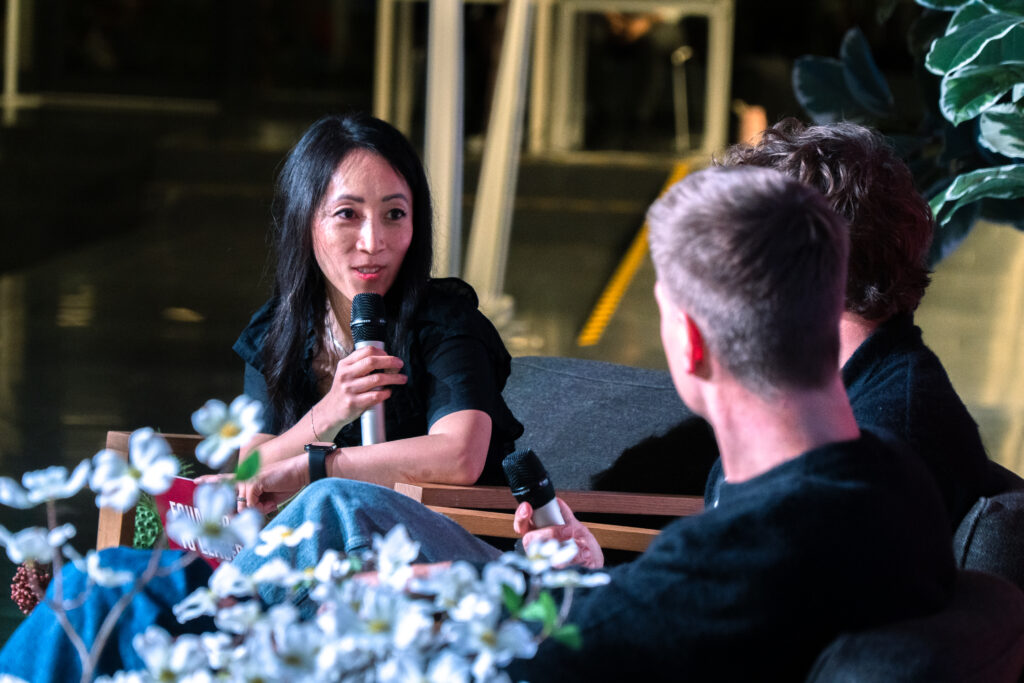
Tensions naturally arise as startups mature. Bringing in an external coach early can help turning conflict into leadership. Photography: Hanna Selim
Scaling together requires mindset and skill
Startups are often built on shared vision but tested by different values, speeds, and working styles. Frans Bévort, Associate Professor at Copenhagen Business School, explains: Scaling an organization with others is just as demanding as scaling the business itself.
“It’s a double challenge – managing the business and managing each other,” he says. Bévort calls this double awareness: paying attention both to the work and to the relationships that make it possible. Leadership, he reminds, is something you can learn. Reflecting on how you act and how you want to lead helps founders develop a leadership style that fits their company and values – rather than copying someone else’s model.
Learning to lead responsibly
At the Copenhagen School of Entrepreneurship, leadership is seen as part of building a company – not something that comes later. In the Founder to Leader programme, founders work with reflection, peer sparring and leadership coaching to strengthen how to lead others – and themselves. They explore what it means to build clarity, manage roles and boundaries, and stay centred under pressure.
Mia Jung, Head of Leadership Development at Founder to Leader, explains that leadership growth begins in the relationship between people. “We teach founders to reflect on what happens between them in their roles, and as people in roles – not only in the tasks or the business,” she says.
Founders learn to balance the organisational side of leadership – roles, tasks, and performance – with the human side: relationships, culture, and emotional intelligence. “Becoming aware of that relational dimension is where real leadership begins.”
Nina Uller, Leadership Coach at Founder to Leader, adds that tensions naturally arise as startups mature. “When it gets personal, reach out. Bring in someone external to help unpack what’s going on underneath the surface,” she says. “It’s painful, but it’s also growth. If you see your shared vision as worth it, make time for these conversations.”
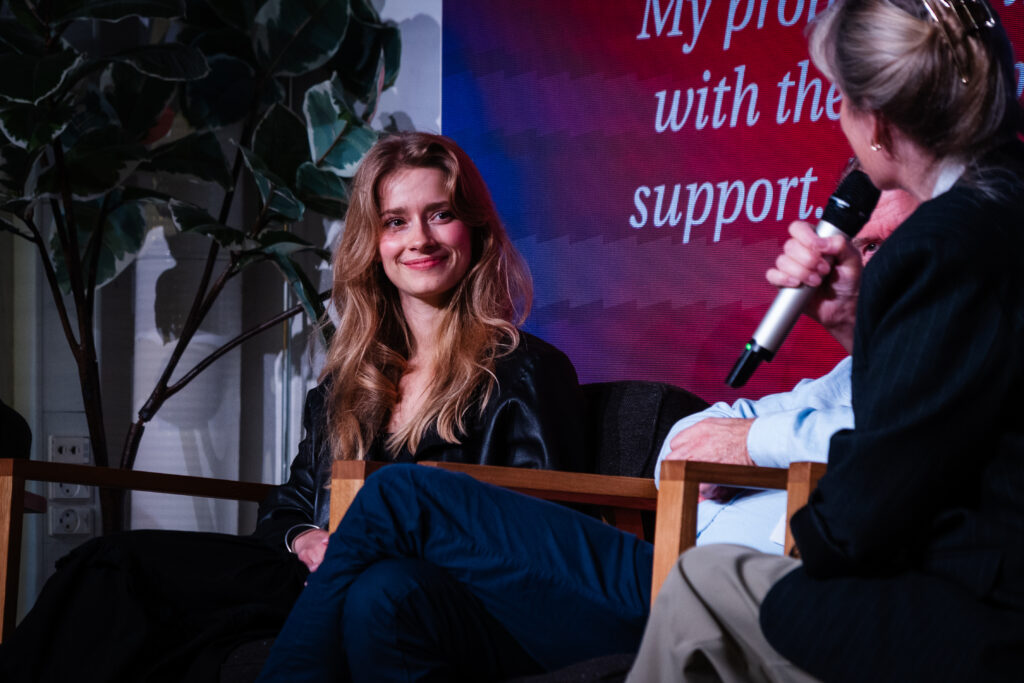
At CSE, leadership is part of building a company from the start. Through programmes like Founder to Leader, founders learn to balance the organisational side of leadership with the human side. Photography: Hanna Selim
Leadership built in relationships
The research shows it. The founders confirm it. CSE builds it into practice: Leading together is what responsible entrepreneurship looks like. Leadership is not a title but a relationship, built through honesty, reflection, and the willingness to grow together. It is how founders turn conflict into capability and partnerships into leadership.
About Founder to Leader
Founder to Leader is Denmark’s first and most established personal leadership programme for founders. Since 2022, more than 180 founders have taken part. The programme supports the shift from being a hands-on founder to becoming a people leader – building the skills to lead others, set clear boundaries, and build a sustainable company culture.
Founder to Leader is delivered by Copenhagen School of Entrepreneurship and Copenhagen Business School, funded by The Danish Industry Foundation, and offered free of charge to founders.
→ Sign up for the 9th cohort starting in January
→ Listen to the Founder to Leader podcast on co-founder dilemmas